Buy free-games.eu ?
We are moving the project
free-games.eu .
Are you interested in purchasing the domain
free-games.eu ?
domain@kv-gmbh.de · 0541-91531010
Buy free-games.eu ?
What is epistemology?
Epistemology is the branch of philosophy that deals with the nature, scope, and limitations of knowledge. It seeks to understand how we acquire knowledge, what constitutes knowledge, and how we can justify our beliefs. Epistemology explores questions such as: What is the difference between belief and knowledge? How do we know what we know? What are the sources of knowledge? It also examines the relationship between knowledge, truth, and belief. Overall, epistemology is concerned with understanding the nature of knowledge and the processes by which we come to know things. **
What is Kant's epistemology?
Kant's epistemology is centered around the idea that our knowledge of the world is shaped by both our sensory experiences and our innate mental structures. He argued that our minds actively organize and interpret sensory input, rather than passively receiving information from the external world. Kant also introduced the concept of synthetic a priori knowledge, which refers to truths that are not derived from experience but are necessary for our understanding of the world. Overall, Kant's epistemology emphasizes the role of reason and the mind in shaping our knowledge and understanding of reality. **

Similar search terms for Epistemology
Top-Angebote
Products related to Epistemology:
-
Youfap Market Pinball Battle Table Toys, Children Board Games, Soccer Marble Shoot Game, Family Fun Interactive Social Toy Pinball Battle Table Toys, Children Board Games, Soccer Marble Shoot Game, Family Fun Interactive Social ToyEngage in Interactive Family Fun with the Children Pinball Machine This children pinball machine provides hours of interactive fun, combining the thrill of board games with the excitement of pinball battle. Designed for kids and families alike, it...64,97 $*Shipping: 0,00 $Secure redirect to the provider
-
USA Free Shipping Shop Inflatable Hammer Party Favor Toy With Bell For Kids Pool Games & Birthday Fun Inflatable Hammer Party Favor Toy With Bell For Kids Pool Games & Birthday FunMake every celebration louder, livelier, and full of laughter with this 1 pc of Inflatable Hammer of random color that's designed for safe, playful fun. Whether you're planning a birthday party, pool gathering, carnival, or family game night, this...31,97 $*Shipping: 0,00 $Secure redirect to the provider
-
Top Demand Picks Interactive Ring Toss Game, Fun Stacking Ring Games For Early Education, Indoor Outdoor Sports And Fitness Toys For All Interactive Ring Toss Game, Fun Stacking Ring Games For Early Education, Indoor Outdoor Sports And Fitness Toys For AlUnleash hours of active fun and developmental play with our Interactive Ring Throwing Game! This isn't just a toy; it's a gateway to laughter, healthy competition, and skillbuilding for the entire family. Perfect for sports and fitness enthusiasts,...21,97 $*Shipping: 0,00 $Secure redirect to the provider
-
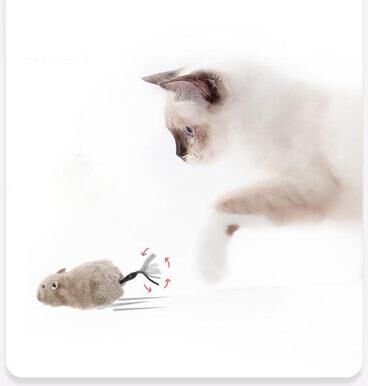
USA Free Shipping Shop Realistic Plush Mouse Cat Toy For Interactive Pet Play & Hunting Fun Realistic Plush Mouse Cat Toy For Interactive Pet Play & Hunting FunBring out your pets natural hunting instincts with this 1 pc of cat mouse toy designed for endless interactive fun. Crafted with a realistic look and soft plush texture, this playful companion keeps curious cats and playful dogs engaged for longer....34,97 $*Shipping: 0,00 $Secure redirect to the provider



-
How can one understand epistemology?
One can understand epistemology by studying the nature of knowledge, belief, and justification. It involves examining how we acquire knowledge, what counts as knowledge, and how we can be justified in our beliefs. By exploring different theories and perspectives on these topics, one can gain a deeper understanding of how we come to know things and how we can be confident in our beliefs. Engaging with philosophical texts, discussions, and thought experiments can also help in understanding the complexities of epistemology. **
-
What is John Locke's epistemology?
John Locke's epistemology is centered around the idea that knowledge comes from experience and observation. He believed that the mind at birth is a blank slate, or tabula rasa, and that all knowledge is derived from sensory experiences. Locke also emphasized the importance of reason and reflection in understanding and interpreting these experiences. Overall, Locke's epistemology can be characterized as empiricist, as it emphasizes the role of sensory experience in the acquisition of knowledge. **
-
What is Kant's theory of epistemology?
Kant's theory of epistemology, as outlined in his Critique of Pure Reason, centers around the idea that our knowledge of the world is shaped by both our sensory experiences and the innate structures of our minds. He argued that our minds actively organize and interpret sensory data through concepts such as space, time, and causality, which are inherent to human cognition. Kant also proposed that there are limits to what we can know about the world, as our understanding is constrained by the nature of our cognitive faculties. Overall, Kant's epistemological theory emphasizes the role of both experience and reason in shaping our knowledge of the world. **
-
What is the epistemology according to Kant?
According to Kant, epistemology is the branch of philosophy that deals with the nature, scope, and limits of human knowledge. Kant believed that knowledge is not solely derived from sensory experience but also involves the mind's innate structures and concepts. He argued that our understanding of the world is shaped by both our sensory experiences and the a priori concepts of space, time, and causality that are inherent in our minds. Kant's epistemology emphasizes the active role of the mind in organizing and interpreting sensory data to construct our understanding of reality. **


What are the central problems of epistemology?
The central problems of epistemology revolve around the nature, scope, and limits of knowledge. One key problem is the question of how we can know anything at all, and what the criteria for knowledge are. Another central problem is the issue of skepticism, which challenges the possibility of knowledge by raising doubts about the reliability of our senses and reasoning. Additionally, epistemology grapples with the problem of the sources of knowledge, such as whether knowledge comes from experience, reason, or some other source. Overall, the central problems of epistemology concern the nature of knowledge, how we acquire it, and how we can be justified in claiming to know something. **
What is an example of abstraction in epistemology?
An example of abstraction in epistemology is the concept of "justice." In epistemology, justice is an abstract concept that is not directly observable or measurable. It is a complex idea that is formed through the process of abstracting common characteristics from various specific instances of justice. This abstraction allows us to understand and discuss justice as a general concept, even though it may manifest differently in different contexts. Abstraction in epistemology enables us to form general concepts and principles that help us make sense of the world and our experiences. **
Top-Angebote
Products related to Epistemology:
-
Multisell Products Hub Sphere Puzzle Brain Teasers For Adults And Kids Fun And Challenging Intelligence Toy Sphere Puzzle Brain Teasers For Adults And Kids Fun And Challenging Intelligence ToyEngage your mind and challenge your skills with the sphere puzzle brain teaser. Designed for both adults and kids, this intelligence toy is perfect for anyone looking to stimulate their brain and improve problemsolving skills. With its intriguing...29,97 $*Shipping: 0,00 $Secure redirect to the provider
-
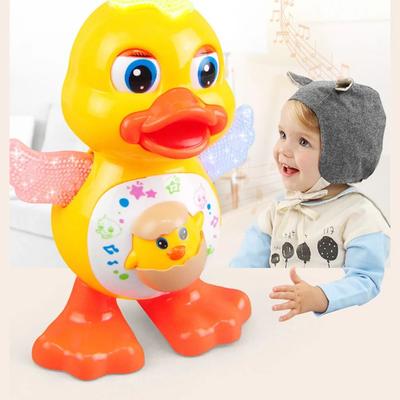
Playful Picks Interactive Dancing Duck Toy With Music & Lights, Screen Free Fun For Toddlers Interactive Dancing Duck Toy With Music & Lights, Screen Free Fun For ToddlersThe Interactive Dancing Duck Toy is a musical, lightup motion toy that keeps toddlers active, focused, and screenfree, supporting motor skills and sensory learning.How It Supports Early DevelopmentWith flashing lights, cheerful music, and wobbly...34,97 $*Shipping: 0,00 $Secure redirect to the provider
-
Youfap Market Pinball Battle Table Toys, Children Board Games, Soccer Marble Shoot Game, Family Fun Interactive Social Toy Pinball Battle Table Toys, Children Board Games, Soccer Marble Shoot Game, Family Fun Interactive Social ToyEngage in Interactive Family Fun with the Children Pinball Machine This children pinball machine provides hours of interactive fun, combining the thrill of board games with the excitement of pinball battle. Designed for kids and families alike, it...64,97 $*Shipping: 0,00 $Secure redirect to the provider
-
USA Free Shipping Shop Inflatable Hammer Party Favor Toy With Bell For Kids Pool Games & Birthday Fun Inflatable Hammer Party Favor Toy With Bell For Kids Pool Games & Birthday FunMake every celebration louder, livelier, and full of laughter with this 1 pc of Inflatable Hammer of random color that's designed for safe, playful fun. Whether you're planning a birthday party, pool gathering, carnival, or family game night, this...31,97 $*Shipping: 0,00 $Secure redirect to the provider
-
What is epistemology?
Epistemology is the branch of philosophy that deals with the nature, scope, and limitations of knowledge. It seeks to understand how we acquire knowledge, what constitutes knowledge, and how we can justify our beliefs. Epistemology explores questions such as: What is the difference between belief and knowledge? How do we know what we know? What are the sources of knowledge? It also examines the relationship between knowledge, truth, and belief. Overall, epistemology is concerned with understanding the nature of knowledge and the processes by which we come to know things. **
-
What is Kant's epistemology?
Kant's epistemology is centered around the idea that our knowledge of the world is shaped by both our sensory experiences and our innate mental structures. He argued that our minds actively organize and interpret sensory input, rather than passively receiving information from the external world. Kant also introduced the concept of synthetic a priori knowledge, which refers to truths that are not derived from experience but are necessary for our understanding of the world. Overall, Kant's epistemology emphasizes the role of reason and the mind in shaping our knowledge and understanding of reality. **
-
How can one understand epistemology?
One can understand epistemology by studying the nature of knowledge, belief, and justification. It involves examining how we acquire knowledge, what counts as knowledge, and how we can be justified in our beliefs. By exploring different theories and perspectives on these topics, one can gain a deeper understanding of how we come to know things and how we can be confident in our beliefs. Engaging with philosophical texts, discussions, and thought experiments can also help in understanding the complexities of epistemology. **
-
What is John Locke's epistemology?
John Locke's epistemology is centered around the idea that knowledge comes from experience and observation. He believed that the mind at birth is a blank slate, or tabula rasa, and that all knowledge is derived from sensory experiences. Locke also emphasized the importance of reason and reflection in understanding and interpreting these experiences. Overall, Locke's epistemology can be characterized as empiricist, as it emphasizes the role of sensory experience in the acquisition of knowledge. **
Similar search terms for Epistemology
-
Top Demand Picks Interactive Ring Toss Game, Fun Stacking Ring Games For Early Education, Indoor Outdoor Sports And Fitness Toys For All Interactive Ring Toss Game, Fun Stacking Ring Games For Early Education, Indoor Outdoor Sports And Fitness Toys For AlUnleash hours of active fun and developmental play with our Interactive Ring Throwing Game! This isn't just a toy; it's a gateway to laughter, healthy competition, and skillbuilding for the entire family. Perfect for sports and fitness enthusiasts,...21,97 $*Shipping: 0,00 $Secure redirect to the provider
-
USA Free Shipping Shop Realistic Plush Mouse Cat Toy For Interactive Pet Play & Hunting Fun Realistic Plush Mouse Cat Toy For Interactive Pet Play & Hunting FunBring out your pets natural hunting instincts with this 1 pc of cat mouse toy designed for endless interactive fun. Crafted with a realistic look and soft plush texture, this playful companion keeps curious cats and playful dogs engaged for longer....34,97 $*Shipping: 0,00 $Secure redirect to the provider
-
Shop Station Jumbo Playing Cards Deck For Family Games And Party Fun Jumbo Playing Cards Deck For Family Games And Party FunBring bigger laughs and more excitement to every game with jumbo playing cards designed to make classic card play stand out. Each oversized 5x7inch card offers enhanced visibility and easy handling for lively group entertainment. This oversized...34,97 $*Shipping: 0,00 $Secure redirect to the provider
-
Inspire Select Active Indoor & Outdoor Party Fun Board Games For Kids, Adults, Family And Friends Twist Body Games Active Indoor & Outdoor Party Fun Board Games For Kids, Adults, Family And Friends Twist Body GamesTurn ordinary moments into unforgettable laughter and movement. This Active Indoor & Outdoor Party Fun Board Game brings kids and adults together in a playful, energetic waysparking smiles, friendly competition, and real connection at every...41,90 $*Shipping: 0,00 $Secure redirect to the provider
-
What is Kant's theory of epistemology?
Kant's theory of epistemology, as outlined in his Critique of Pure Reason, centers around the idea that our knowledge of the world is shaped by both our sensory experiences and the innate structures of our minds. He argued that our minds actively organize and interpret sensory data through concepts such as space, time, and causality, which are inherent to human cognition. Kant also proposed that there are limits to what we can know about the world, as our understanding is constrained by the nature of our cognitive faculties. Overall, Kant's epistemological theory emphasizes the role of both experience and reason in shaping our knowledge of the world. **
-
What is the epistemology according to Kant?
According to Kant, epistemology is the branch of philosophy that deals with the nature, scope, and limits of human knowledge. Kant believed that knowledge is not solely derived from sensory experience but also involves the mind's innate structures and concepts. He argued that our understanding of the world is shaped by both our sensory experiences and the a priori concepts of space, time, and causality that are inherent in our minds. Kant's epistemology emphasizes the active role of the mind in organizing and interpreting sensory data to construct our understanding of reality. **
-
What are the central problems of epistemology?
The central problems of epistemology revolve around the nature, scope, and limits of knowledge. One key problem is the question of how we can know anything at all, and what the criteria for knowledge are. Another central problem is the issue of skepticism, which challenges the possibility of knowledge by raising doubts about the reliability of our senses and reasoning. Additionally, epistemology grapples with the problem of the sources of knowledge, such as whether knowledge comes from experience, reason, or some other source. Overall, the central problems of epistemology concern the nature of knowledge, how we acquire it, and how we can be justified in claiming to know something. **
-
What is an example of abstraction in epistemology?
An example of abstraction in epistemology is the concept of "justice." In epistemology, justice is an abstract concept that is not directly observable or measurable. It is a complex idea that is formed through the process of abstracting common characteristics from various specific instances of justice. This abstraction allows us to understand and discuss justice as a general concept, even though it may manifest differently in different contexts. Abstraction in epistemology enables us to form general concepts and principles that help us make sense of the world and our experiences. **
* All prices are inclusive of VAT and, if applicable, plus shipping costs. The offer information is based on the details provided by the respective shop and is updated through automated processes. Real-time updates do not occur, so deviations can occur in individual cases. ** Note: Parts of this content were created by AI.